Build and Conquer Roads Guide
Plan roads for the next district, reserve space between housing and industry, and extend the network when your city project is ready.
Roads are part of Build and Conquer city construction alongside neighbourhoods, industry and utilities. Plan them around the district you intend to build next, leaving space for later expansion instead of drawing an expensive-looking road pattern across the whole plot.
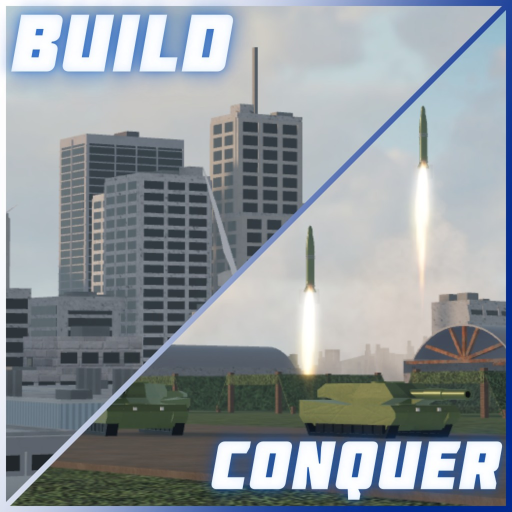
This city-growth demonstration offers a useful view of a developed settlement while you think about its footprint.
Draw a route for the next district
Start with a clear destination: a neighbourhood area, an economic district, or space reserved for power plants and water networks. A road plan is easier to manage when you can explain what the next stretch is meant to serve. Filling every empty space first gives you a larger pattern to work around later.
I would favor a simple main direction with room to branch toward future construction. That is a planning preference, not a claim that a particular road shape grants a hidden bonus. The useful result is a city whose next building location remains obvious.
Keep expansion space between competing plans
A residential expansion and a factory project can both need room in the same city. Before extending roads, decide which project you will actually fund. Reserve the other area's space so the next session does not begin with a redesign.
| Planned area | Road-planning priority | Avoid committing too early |
|---|---|---|
| Neighbourhood district | Leave room for housing growth | A full-plot residential pattern |
| Industry | Keep a deliberate route toward factory space | Every possible branch at once |
| City services | Reserve space near power and water plans | Building over all expansion room |
| A larger city | Extend the existing plan in stages | Redrawing the whole city for one addition |
The table describes organizational choices, rather than exact connection rules. Budget the district as a whole: road construction, the buildings you want next and the money you would rather retain. An elaborate street pattern is a poor first purchase if it leaves the actual district unfinished.
Extend roads when the project is ready
Treat the next extension as part of a specific city project. Set aside its footprint, finish the construction you intended to support, then decide whether another branch is useful. This keeps your attention on a working settlement rather than on completing a decorative grid.
If your immediate project is housing, read the neighbourhood guide. If you are deciding whether the country should grow at all, the city-expansion guide covers the wider trade-off between a larger footprint and the country you already manage.
Build and Conquer also includes research and mainland war, so leaving some planning flexibility matters. Your city can change purpose as your country develops; a clear, modest road plan gives you room to make that decision later.