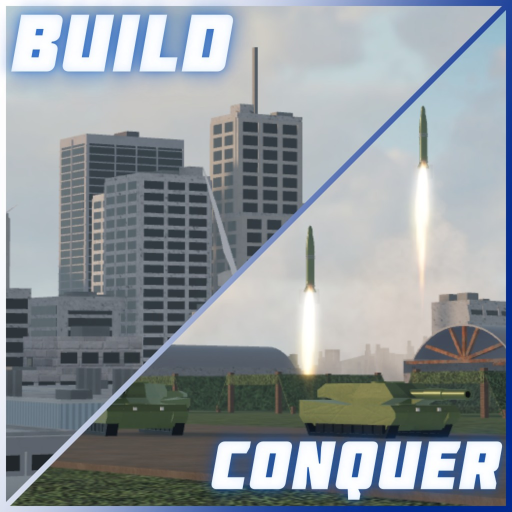
Build and Conquer Shops Guide
Choose shops for cash-focused development, compare their role with farms and factories, and retain money for the rest of the city plan.
Shops in Build and Conquer contribute to the country's income. Choose them when your next city project is about the money economy, while keeping their role separate from farms' food production and factories' materials production. A purposeful economic district is more useful than a collection of purchases with no shared goal.
This city-development example offers context for planning an economic addition to a growing settlement.
Choose shops for a cash-focused project
Shops belong in the income plan. If the country's next priority is cash, set aside money and space for a shop project before spending the same balance on unrelated industrial construction or military equipment.
I would keep that project modest enough to complete. A partially finished district and several competing purchases can make the economy harder to organize, even when each individual building has a place in a larger country.
Keep shop income distinct from production
A factory serves materials and advanced production; a farm serves food production supporting population. A shop's general role is income. Use that distinction to choose the next project rather than assuming all economic buildings provide the same benefit.
| Country problem | Building role to consider | Why the distinction matters |
|---|---|---|
| You want to develop income | Shops | The project is about country money |
| You want food production | Farms | Food serves population rather than the same cash goal |
| You want manufactured materials | Factories | Production needs a defined output goal |
The comparison does not rank every purchase for every city. It explains why the next building should match the goal you selected. Your opening settlement and a country preparing advanced equipment can have very different spending priorities.
Leave the income project room to work
Money is only one of the systems you manage. Workers, population, resources, happiness, power, research, production and expansion all belong to the same country, so avoid using the whole balance on shops without considering the rest of the plan.
Keep a reserve for a useful follow-up decision. That is an editorial budget preference, not a fixed shop cost or a required reserve amount. It gives you options while the country develops.
If you are deciding how to focus the next session on income, read earning money. If you need the wider spending picture, use the money guide. A sensible shop project has a clear job: improve the income side of the settlement without crowding every other country goal out of the same budget.