Build and Conquer Strategic Areas
Choose a strategic-area goal, prepare the home country for the commitment, and make cooperation serve the same territorial purpose.
Strategic areas in Build and Conquer are objectives that other nations fight to control. Choose one deliberate mainland goal and prepare the country around it, rather than entering every nearby conflict. A useful territorial ambition should explain why the force is leaving the home country.
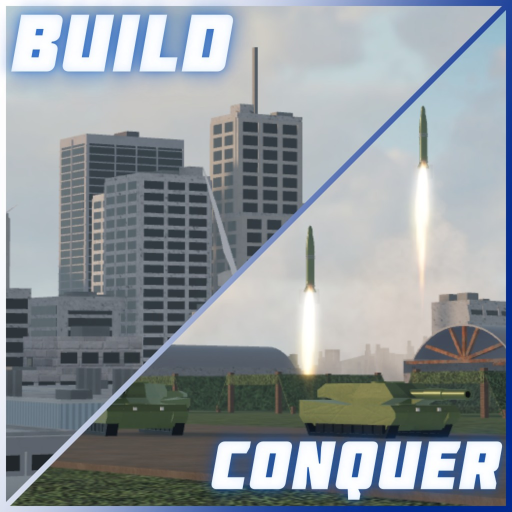
This combat clip gives a view of the outward fighting context before you commit to a strategic-area objective.
Choose the objective before the military commitment
The game connects territorial fighting to research, manufacturing, troop deployment and alliances. Begin with the purpose of the outward campaign, then decide which preparation belongs to it. A force without a chosen task can become a reason to enter unrelated fights.
My recommendation is a single limited strategic-area objective for the first outward commitment. It gives the session a direction and keeps the country from opening several campaigns before finishing one.
Keep the home city inside the territorial plan
A strong economy supports warfare, and the military protects what you built. That relationship matters when you choose expansion over immediate home-country work. Keep money, production and city management in the plan while pursuing the outward objective.
| Campaign decision | Useful preparation | Country goal it protects |
|---|---|---|
| Objective | Choose a limited territorial ambition | A campaign with a clear purpose |
| Equipment | Connect research and manufacturing to that ambition | Purposeful military preparation |
| Cooperation | Consider an alliance with the same goal | A shared commitment rather than unrelated wars |
| Home city | Retain room for country management | The economy behind the outward force |
This organizes preparation without inventing capture timers, coordinates or automatic territory rewards. The immediate decision is whether the objective deserves your country's commitment, not how many areas you can begin contesting at once.
Use cooperation when the purpose matches
Alliances are part of the country loop. If you seek one for a strategic-area goal, keep the shared purpose clear. Cooperation around one objective is easier to explain than an agreement that turns every conflict into the same obligation.
Decide what happens after the first ambition has a result. You can pursue another area later, or return attention to the city. A stopping point helps territorial expansion remain a chosen country goal instead of becoming an endless diversion from the settlement.
Read the alliance guide when the next decision is cooperation. Use how to play for the relationship between home preparation and mainland warfare. Strategic areas give the military an outward purpose; a coherent country plan determines when that purpose deserves priority.