Build and Conquer Water Networks
Plan water provision around a city area, reserve space before other construction fills the plot, and keep water and power projects distinct.
Water networks supply water as your Build and Conquer city develops. Plan the network as part of a district's service space instead of filling the plot with neighbourhoods and factories first. A deliberate service plan leaves room for later city additions.
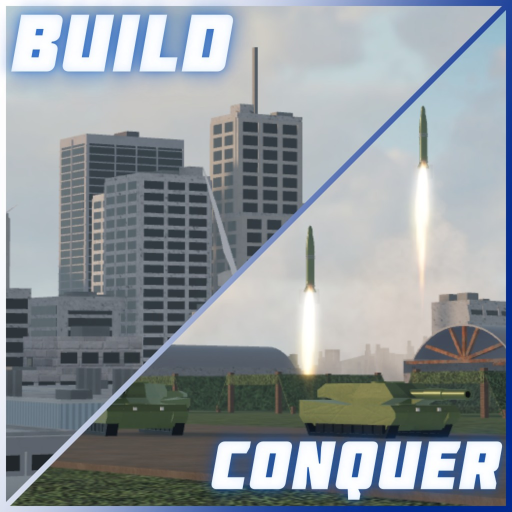
The city-growth demonstration below helps place utility planning in the context of a larger settlement.
Plan water around a defined city area
Choose the area the next service project belongs to: the opening settlement, a residential addition or an industrial district. Giving the project a location in your city plan is more useful than treating water construction as a separate pattern that must cover the whole plot immediately.
I would reserve a clear route and some expansion space while drawing the district. This is a layout preference, not an exact pipe-placement rule or a promise of a particular connection distance. Its purpose is to keep service planning possible after the first buildings are placed.
Make room before committing the footprint
Neighbourhoods, roads, farms, shops, factories and power plants all belong to city construction. They compete for planning space even when they serve different goals. Decide where water provision belongs before those other projects occupy every convenient area.
| District project | Water-planning priority | Space to preserve |
|---|---|---|
| Opening settlement | Include a service area in the first plan | Room for the next addition |
| Residential expansion | Keep water provision alongside the housing goal | Roads and later neighbourhood growth |
| Industry | Give utilities a place in the industrial footprint | Factory-project flexibility |
| A wider city | Develop the service plan in stages | A clear route for future work |
The table organizes the footprint. It does not assume a universal network range, a fixed capacity or identical connection rules for every city. Avoid budgeting a whole expansion from a made-up service radius.
Keep water separate from energy provision
Water networks and power plants are both city services, but they have different roles. A water project concerns water provision; a power project concerns energy. Choose the service task you want to complete next instead of assuming either purchase substitutes for the other.
Use the power-plant guide when energy is the next project. If the district itself is unclear, begin with road planning or neighbourhood planning.
A useful water plan has a defined place in the settlement and room to change as the country develops. Finish the service project you selected, then decide where the next expansion should go. That keeps utilities connected to an actual city goal rather than to a decorative full-plot pattern.