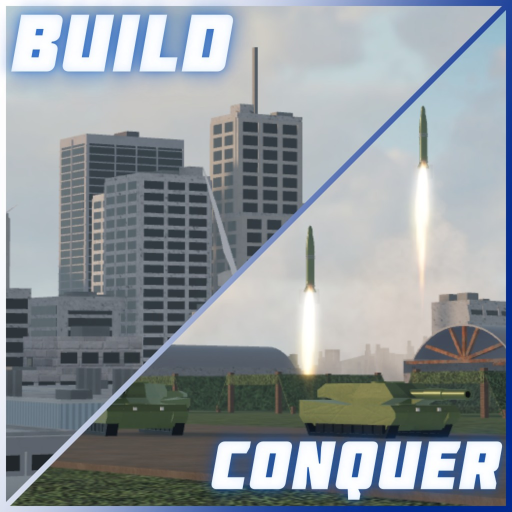
Build and Conquer Vehicles Guide
Understand a quest-focused vehicle setup, compare HIMARS and tanks in the example, and connect positioning to a chosen ground-combat task.
Vehicles in Build and Conquer belong to military preparation and ground combat. HIMARS and tanks appear together in a missile-unlock demonstration, where the force attacks enemy ground units. Use that example to understand a task-focused setup before committing to a much wider equipment plan.
The video below shows the combination used during hypersonic-missile progression.
Start with a combat task rather than a collection
The demonstrated force has a reason to fight: making missile-quest progress through ground combat. That purpose is more useful for a first equipment plan than trying to own every possible option. Choose what you want the vehicles to accomplish before deciding how large the project should become.
My recommendation is to use a limited progression task as the opening military goal. It gives the vehicles a destination and avoids turning the same purchase into an open-ended war ambition.
HIMARS and tanks are useful examples of a combined force
The example puts HIMARS alongside tanks. The useful comparison is how they are used together in the same ground-combat task, rather than an unsupported claim that one is always superior.
| Option | Place in the example | Decision the example supports |
|---|---|---|
| HIMARS | Used alongside tanks against ground units | Include it in a deliberate quest-focused combination |
| Tanks | Used with HIMARS during the same task | Plan a combined force rather than an isolated purchase |
Keep the scope of that comparison clear. It explains a practical combination without claiming exact damage, manufacturing cost, speed or a universal matchup advantage. The vehicles' purpose in the example matters more than a ranking without those conditions.
Positioning belongs to the vehicle plan too
The demonstration spreads forces out and looks for enemy movement before attacking ground units. That is a useful behavior to carry into a quest-focused plan: give the force room and find a target that advances the objective.
Avoid treating the army as one tightly grouped purchase whose only decision is when to attack. The target and the spacing are part of the same military task. If another fight does not serve the objective, my preference is to preserve attention for the task you prepared to finish.
For the production side, read manufacturing vehicles. For the wider force task, use the troops guide. A useful vehicle plan connects equipment, positioning and a chosen objective before it becomes a much larger country commitment.